
Discover how a detailed physiotherapy assessment helps identify the root cause of pain and guides effective treatment.

A thorough medical history is the first step in physiotherapy assessment. It helps identify the cause of symptoms, understand previous injuries, surgeries, medical conditions, medications, and lifestyle factors. This information allows the physiotherapist to assess risks, set realistic treatment goals, and create a personalized, safe, and evidence-based rehabilitation plan that supports faster recovery and long-term physical health.

Pain assessment helps physiotherapists understand the exact source, type, and severity of pain. By evaluating pain intensity, location, duration, pattern, triggers, and relieving factors, they can identify whether the problem involves muscles, joints, nerves, ligaments, or other tissues. This detailed evaluation supports accurate diagnosis and enables a personalized, effective treatment plan for recovery.
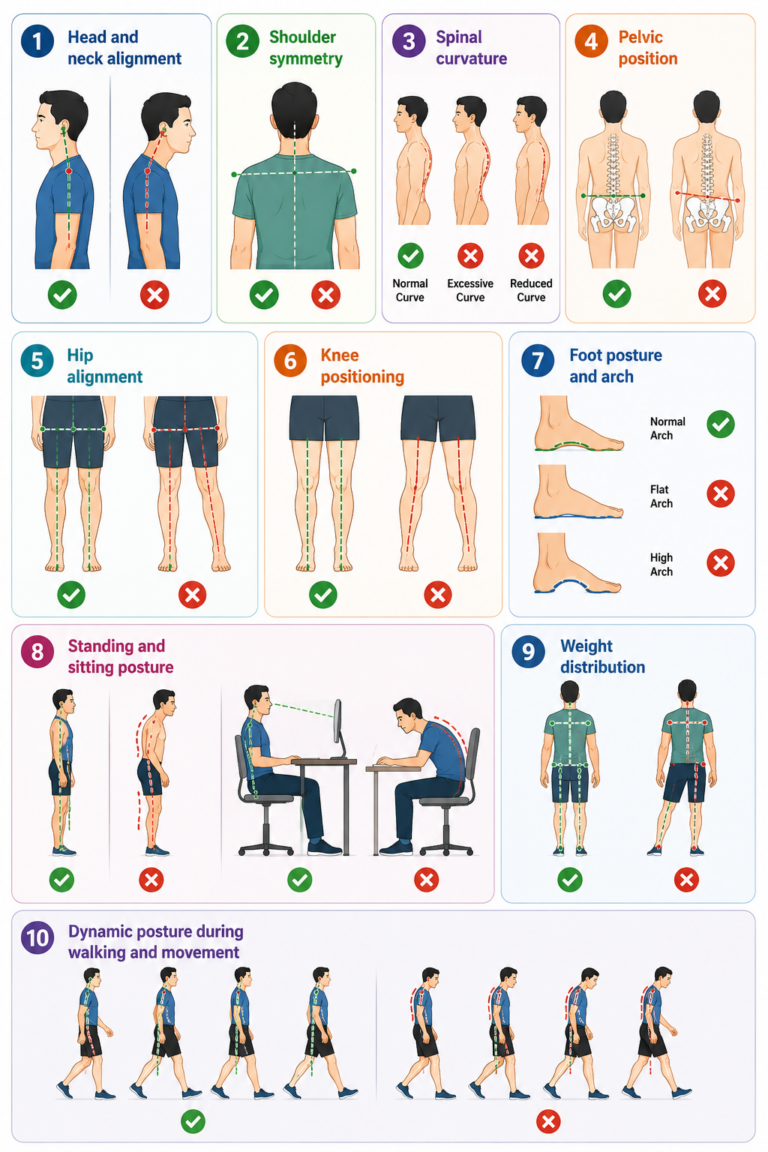
Posture analysis helps physiotherapists evaluate body alignment and movement patterns that may contribute to pain or dysfunction. By identifying postural imbalances, muscle asymmetry, and abnormal joint positioning, they can determine the root cause of musculoskeletal problems. This assessment supports targeted treatment, improves posture, reduces strain, and helps prevent future injuries.
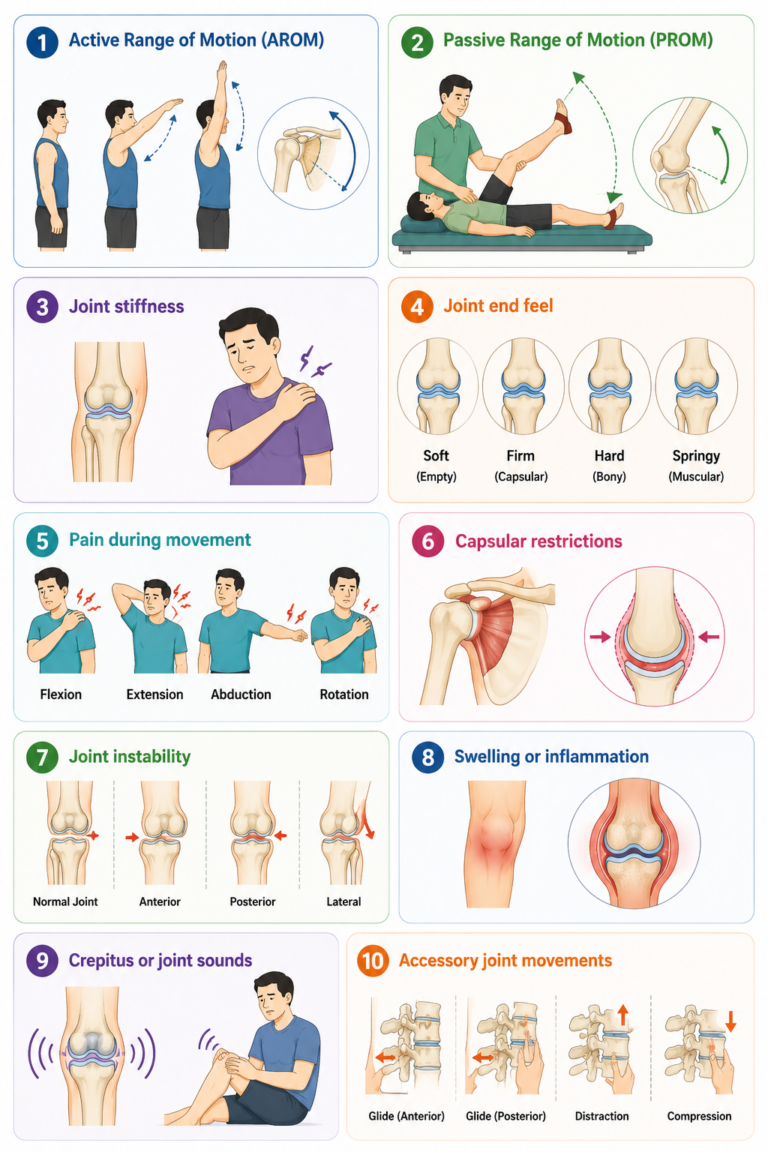
Joint mobility assessment evaluates how well a joint moves through its normal range without pain or stiffness. Physiotherapists identify movement restrictions, excessive mobility, inflammation, or joint degeneration that may affect daily activities. This assessment helps determine the cause of dysfunction and guides personalized treatment to restore movement, reduce pain, and improve overall function.
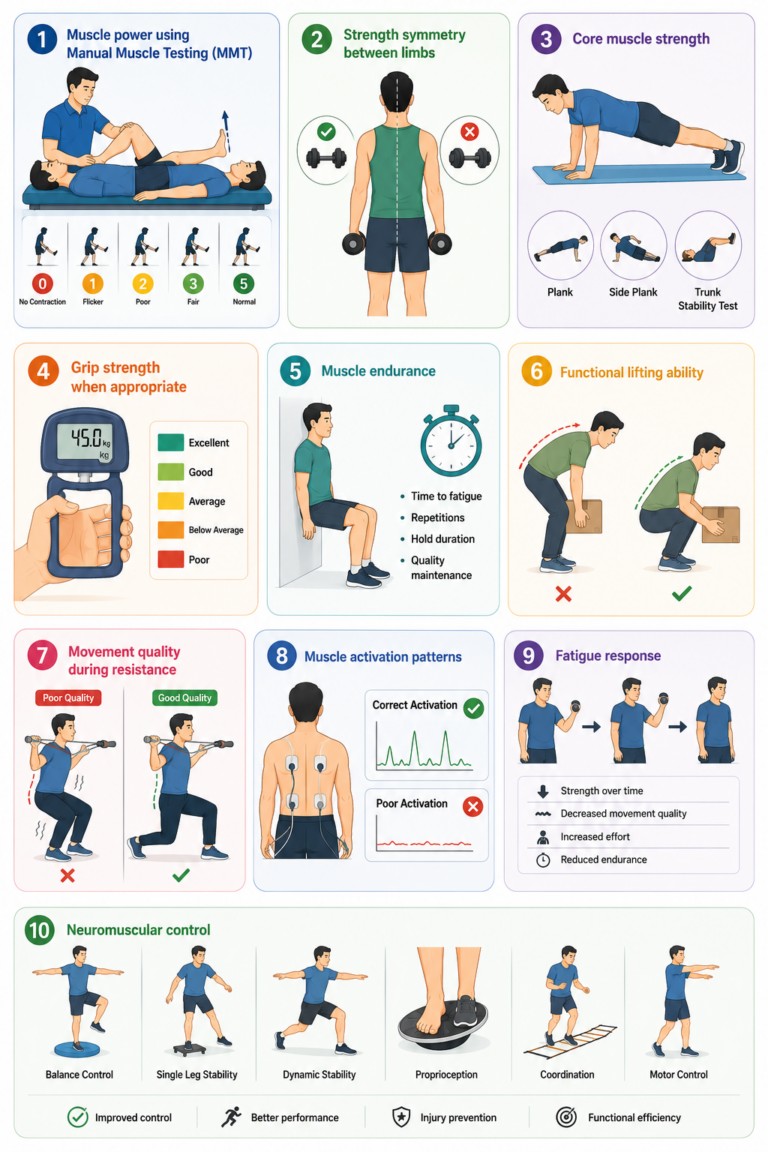
Muscle strength assessment measures the ability of muscles to generate force and support functional movement. Physiotherapists evaluate weakness caused by injury, surgery, pain, nerve conditions, or inactivity to identify muscular imbalances and performance deficits. This assessment helps develop targeted strengthening programs, improve stability, restore mobility, and enhance overall physical function and recovery.
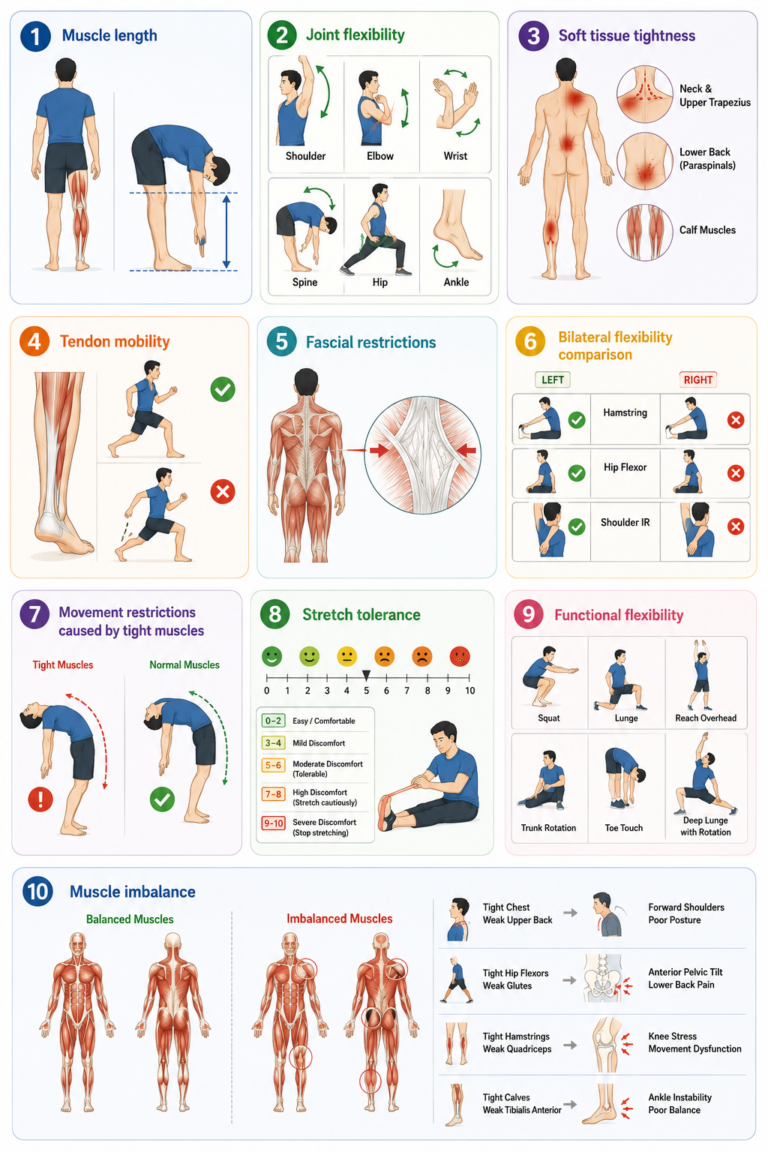
Flexibility assessment evaluates muscle length and soft tissue mobility to determine how well the body moves through its normal range. Physiotherapists identify muscle tightness, reduced tissue flexibility, and movement restrictions that may cause pain or affect function. This assessment helps improve mobility, restore normal movement, reduce injury risk, and enhance overall physical performance.
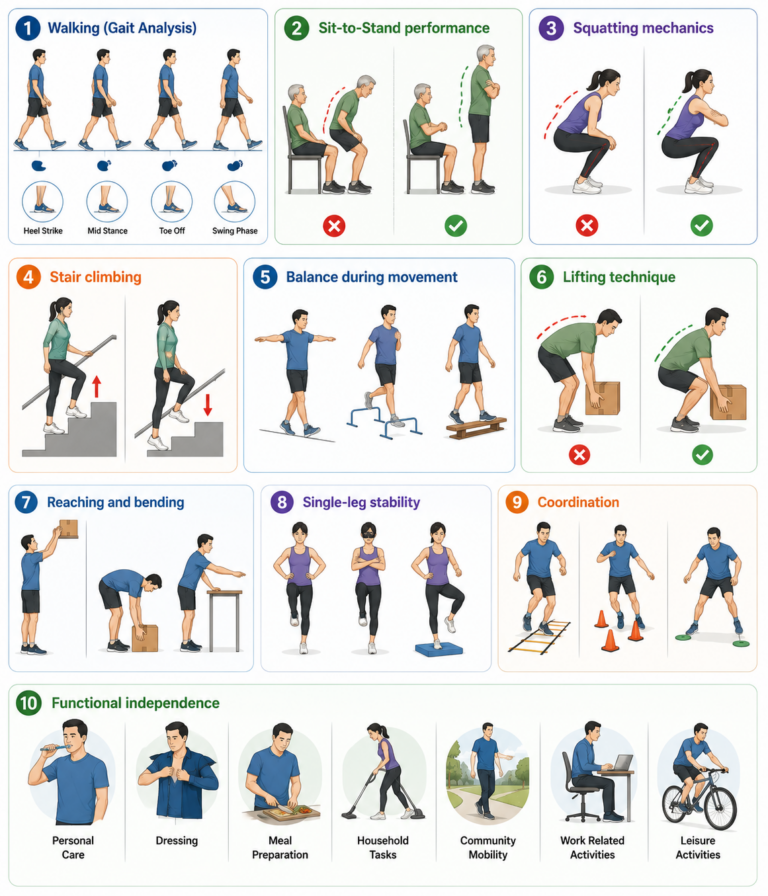
Functional movement testing evaluates how effectively a patient performs everyday activities such as walking, bending, lifting, reaching, and climbing stairs. Physiotherapists assess movement quality, balance, coordination, and body mechanics to identify functional limitations. This assessment helps detect movement dysfunctions, improve physical performance, and develop personalized rehabilitation programs for daily activities, work, and sports.
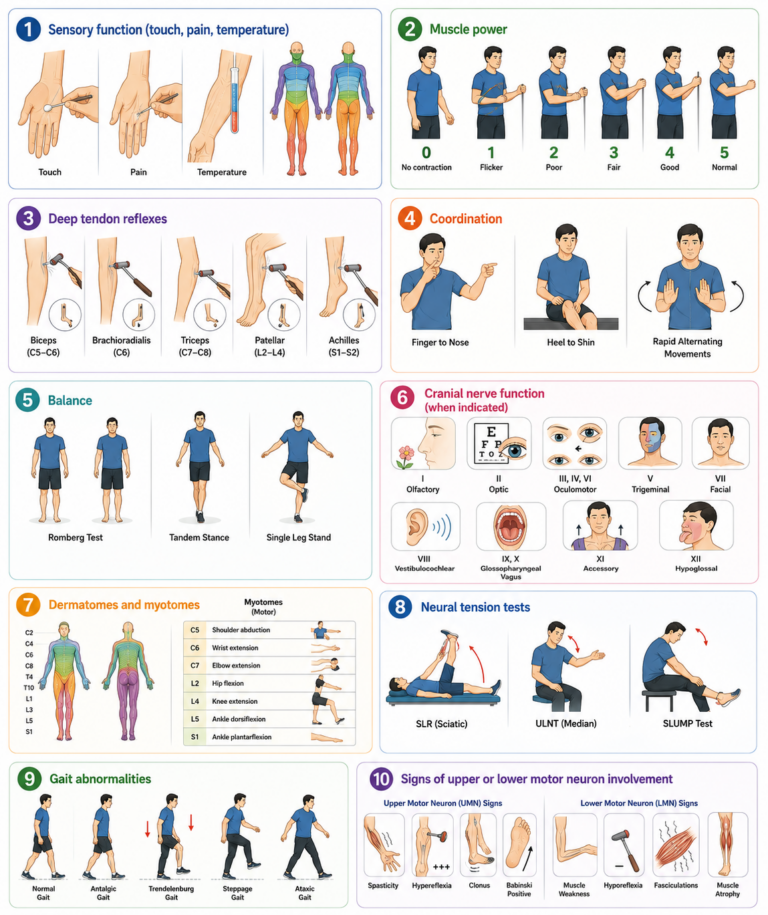
Neurological examination evaluates the function of nerves, muscles, reflexes, sensation, coordination, and balance to identify possible neurological involvement. Physiotherapists assess signs of nerve compression, spinal disorders, or neurological conditions that may affect movement and function. This assessment helps differentiate neurological from musculoskeletal problems, ensuring accurate diagnosis, safe treatment, and timely medical referral when needed.
Ezeewell Physiotherapy helps you manage various conditions, including





Fill in your details. After submitting, your appointment request will open in WhatsApp.
Website security powered by MilesWeb