

New Patient Information

Ezeewell Physiotherapy / Orthopedic and Pain Relief Clinic

Share this

Welcome to Ezeewell Physiotherapy / Orthopedic and Pain Relief Clinic

At Ezeewell Physiotherapy / Orthopedic and Pain Relief Clinic, we are committed to helping you recover from pain, restore movement, and improve your overall quality of life. Whether you are visiting us for the first time with back pain, recovering after surgery, managing a sports injury, or seeking neurological rehabilitation, our experienced physiotherapists provide evidence-based, personalized treatment tailored to your individual needs.

Our goal is not only to relieve your current symptoms but also to identify the underlying cause of your condition, prevent recurrence, and help you return to your daily activities with confidence.


What to Expect During Your First Visit

Your first appointment is designed to help us understand your condition thoroughly. We believe that an accurate diagnosis and detailed assessment are the foundation of successful physiotherapy treatment.

During your first consultation, your physiotherapist will:

  • Listen carefully to your medical history.
  • Discuss your current symptoms and concerns.
  • Review previous investigations such as X-rays or MRI scans (if available).
  • Assess your posture, movement, strength, flexibility, balance, and joint mobility.
  • Perform special orthopedic or neurological tests when required.
  • Explain the cause of your condition in simple language.
  • Develop a personalized treatment plan based on your goals.
  • Answer all your questions regarding treatment and recovery.

The first session usually lasts 45 to 60 minutes, allowing enough time for assessment and initial treatment.


Before Your Appointment

To make your first visit as smooth as possible, please prepare the following:

Bring Your Medical Records

If available, carry:

  • Previous medical reports
  • Doctor’s referral letter
  • MRI reports
  • X-rays
  • CT Scan reports
  • Blood reports (if relevant)
  • Surgery reports
  • Prescription medications
  • Previous physiotherapy records

These reports help us understand your medical history and avoid unnecessary delays.


Wear Comfortable Clothing

Comfortable clothing allows the physiotherapist to examine the affected area properly.

Recommended clothing:

  • T-shirt
  • Shorts
  • Track pants
  • Loose-fitting clothing
  • Sportswear

Avoid:

  • Tight jeans
  • Heavy jackets
  • Restrictive clothing

Arrive Early

Please arrive 10–15 minutes before your scheduled appointment.

This allows time to:

  • Complete registration
  • Fill out patient forms
  • Verify appointment details
  • Discuss any immediate concerns

Patient Registration

During registration, you may be asked for:

  • Full Name
  • Age
  • Gender
  • Contact Number
  • Emergency Contact
  • Address
  • Occupation
  • Medical History
  • Current Medications
  • Allergies
  • Previous Surgeries
  • Insurance Details (if applicable)

Providing accurate information helps us create a safe and effective treatment plan.


Initial Physiotherapy Assessment

Every patient undergoes a comprehensive assessment before treatment begins.

The assessment may include:

Pain Assessment

Your physiotherapist will evaluate:

  • Pain location
  • Pain intensity
  • Pain duration
  • Pain pattern
  • Aggravating factors
  • Relieving factors
  • Night pain
  • Morning stiffness

Movement Assessment

We evaluate:

  • Joint mobility
  • Muscle flexibility
  • Walking pattern
  • Sitting posture
  • Standing posture
  • Functional movement
  • Balance
  • Coordination

Strength Testing

The therapist checks:

  • Muscle strength
  • Muscle endurance
  • Core stability
  • Grip strength (if required)
  • Functional strength

Neurological Examination (If Required)

Patients with nerve or neurological conditions may undergo:

  • Reflex testing
  • Sensation testing
  • Coordination assessment
  • Balance assessment
  • Walking analysis
  • Muscle tone evaluation

Functional Assessment

We also assess your ability to perform daily activities such as:

  • Walking
  • Sitting
  • Standing
  • Climbing stairs
  • Lifting objects
  • Driving
  • Working
  • Sports participation

Understanding Your Diagnosis

After the assessment, your physiotherapist will explain:

  • The exact cause of your pain
  • Which muscles or joints are involved
  • Why your symptoms developed
  • Expected recovery timeline
  • Recommended treatment options
  • Home care recommendations
  • Lifestyle modifications

We believe patients recover better when they understand their condition.


Your Personalized Treatment Plan

Every treatment plan is customized according to:

  • Age
  • Medical condition
  • Severity of pain
  • Physical fitness
  • Occupation
  • Lifestyle
  • Recovery goals
  • Activity level

Your plan may include one or more treatment methods.


Treatment Techniques We May Use

Depending on your condition, treatment may include:

Manual Therapy

Hands-on techniques to improve movement, reduce pain, and restore joint function.


Joint Mobilization

Gentle movements to improve joint mobility and reduce stiffness.


Soft Tissue Therapy

Treatment of muscles, tendons, ligaments, and fascia to improve flexibility and reduce discomfort.


Therapeutic Exercises

Exercises designed to:

  • Increase strength
  • Improve flexibility
  • Restore movement
  • Improve endurance
  • Enhance balance
  • Prevent future injuries

Electrotherapy

When appropriate, we may use:

  • TENS
  • IFT
  • Ultrasound Therapy
  • Muscle Stimulation

These therapies can help reduce pain and promote healing.


Heat and Cold Therapy

Used to:

  • Reduce inflammation
  • Improve circulation
  • Relax muscles
  • Minimize swelling

Posture Correction

Poor posture contributes to many painful conditions.

Your therapist may teach:

  • Sitting posture
  • Standing posture
  • Workstation ergonomics
  • Sleeping positions
  • Lifting techniques

Home Exercise Program

Recovery continues beyond the clinic.

You will receive easy-to-follow home exercises that help:

  • Maintain progress
  • Improve flexibility
  • Build strength
  • Prevent recurrence
  • Speed recovery

Treatment Frequency

The number of sessions depends on:

  • Your diagnosis
  • Severity of condition
  • Healing response
  • Medical history
  • Treatment goals

Your physiotherapist will recommend an appropriate treatment schedule and review your progress regularly.


Recovery Expectations

Recovery varies from person to person.

Factors influencing recovery include:

  • Age
  • Overall health
  • Type of injury
  • Duration of symptoms
  • Consistency with exercises
  • Attendance at therapy sessions
  • Lifestyle habits

Many patients notice gradual improvements in pain, mobility, strength, and function with regular treatment and adherence to the recommended plan.


Your Role in Recovery

Successful physiotherapy is a partnership between you and your physiotherapist.

To achieve the best results:

  • Attend all scheduled appointments.
  • Perform your prescribed home exercises regularly.
  • Follow posture and ergonomic advice.
  • Stay physically active within recommended limits.
  • Report any changes in symptoms.
  • Ask questions if anything is unclear.
  • Be patient and consistent with your rehabilitation.

Home Physiotherapy Services

For patients who cannot visit the clinic, Ezeewell offers home physiotherapy services.

Home visits are suitable for:

  • Elderly patients
  • Post-surgical rehabilitation
  • Stroke rehabilitation
  • Paralysis
  • Parkinson’s disease
  • Fracture recovery
  • Severe mobility limitations
  • Chronic pain conditions

The same professional assessment and personalized treatment approach is provided in the comfort of your home.


Online Physiotherapy Consultations

We also provide secure online physiotherapy consultations for patients who prefer remote care or live outside the local area.

Online sessions may include:

  • Initial assessment
  • Pain evaluation
  • Exercise demonstrations
  • Posture correction guidance
  • Progress monitoring
  • Home exercise modifications
  • Rehabilitation follow-up

Appointment Cancellation & Rescheduling

If you need to change your appointment:

  • Inform the clinic as early as possible.
  • Arrive on time for your scheduled session.
  • Contact the clinic in advance if you are running late.
  • Reschedule promptly if you are unable to attend, so your treatment plan remains on track.

Pain and its Causes

Back and neck pain may develop suddenly after an injury or gradually due to poor posture, repetitive strain, or age-related wear and tear. The pain can range from mild stiffness to severe discomfort that affects work, sleep, and daily activities. Sometimes the pain remains localized, while in other cases it radiates to the shoulders, arms, hips, or legs because of nerve involvement.

Understanding the underlying cause is essential because different conditions require different treatment approaches. Physiotherapists assess muscle strength, posture, joint mobility, and movement patterns to determine the exact reason for the pain.


Common Causes of Back & Neck Pain

  • Poor sitting posture while working.
  • Long hours using computers or mobile phones.
  • Muscle strain from lifting heavy objects.
  • Sudden twisting movements.
  • Sports injuries.
  • Degenerative disc disease.
  • Herniated or slipped disc.
  • Arthritis of the spine.
  • Weak core muscles.
  • Sedentary lifestyle.
  • Poor sleeping posture.
  • Stress-related muscle tension.
  • Obesity causing excess spinal load.
  • Road traffic accidents.
  • Previous spinal injuries.

Common Symptoms

  • Dull aching pain.
  • Sharp shooting pain.
  • Neck stiffness.
  • Back stiffness.
  • Difficulty bending.
  • Pain while sitting for long periods.
  • Pain while standing.
  • Headaches associated with neck pain.
  • Tingling or numbness.
  • Muscle spasms.
  • Weakness in arms or legs.
  • Reduced range of motion.

How Do I Know If My Pain Is Serious?

Most back and neck pain improves with proper physiotherapy and activity modification. However, certain symptoms may indicate a more serious underlying condition that requires immediate medical attention. Early diagnosis helps prevent complications and ensures timely treatment.

If your pain is severe, persistent, or associated with neurological symptoms, you should consult a healthcare professional without delay.

Warning Signs That Require Medical Evaluation

  • Pain lasting longer than 4–6 weeks.
  • Severe pain after a fall or accident.
  • Pain spreading down the arm or leg.
  • Numbness or tingling that worsens.
  • Weakness in hands or legs.
  • Difficulty walking.
  • Loss of balance.
  • Loss of bladder or bowel control.
  • Fever with back pain.
  • Unexplained weight loss.
  • Pain that wakes you every night.
  • Constant pain even while resting.
  • Sudden inability to move the neck or back.
  • Progressive worsening despite treatment.

What Can I Do to Relieve Pain?

Many cases of back and neck pain can be managed effectively through simple lifestyle changes combined with physiotherapy. Remaining active, maintaining good posture, and performing appropriate exercises often speed recovery and reduce stiffness.

Avoid complete bed rest unless specifically advised by a healthcare professional, as prolonged inactivity may delay healing.

Self-Care Tips

  • Maintain proper sitting posture.
  • Avoid prolonged sitting.
  • Take movement breaks every 30–45 minutes.
  • Use ergonomic chairs.
  • Sleep on a supportive mattress.
  • Avoid lifting heavy objects incorrectly.
  • Apply heat for muscle tightness.
  • Apply ice after acute injuries.
  • Stay physically active.
  • Walk daily.
  • Perform prescribed stretching exercises.
  • Strengthen your core muscles.
  • Maintain a healthy body weight.
  • Drink adequate water.
  • Manage stress levels.
  • Follow your physiotherapist’s advice consistently.

What Are the Best Exercises?

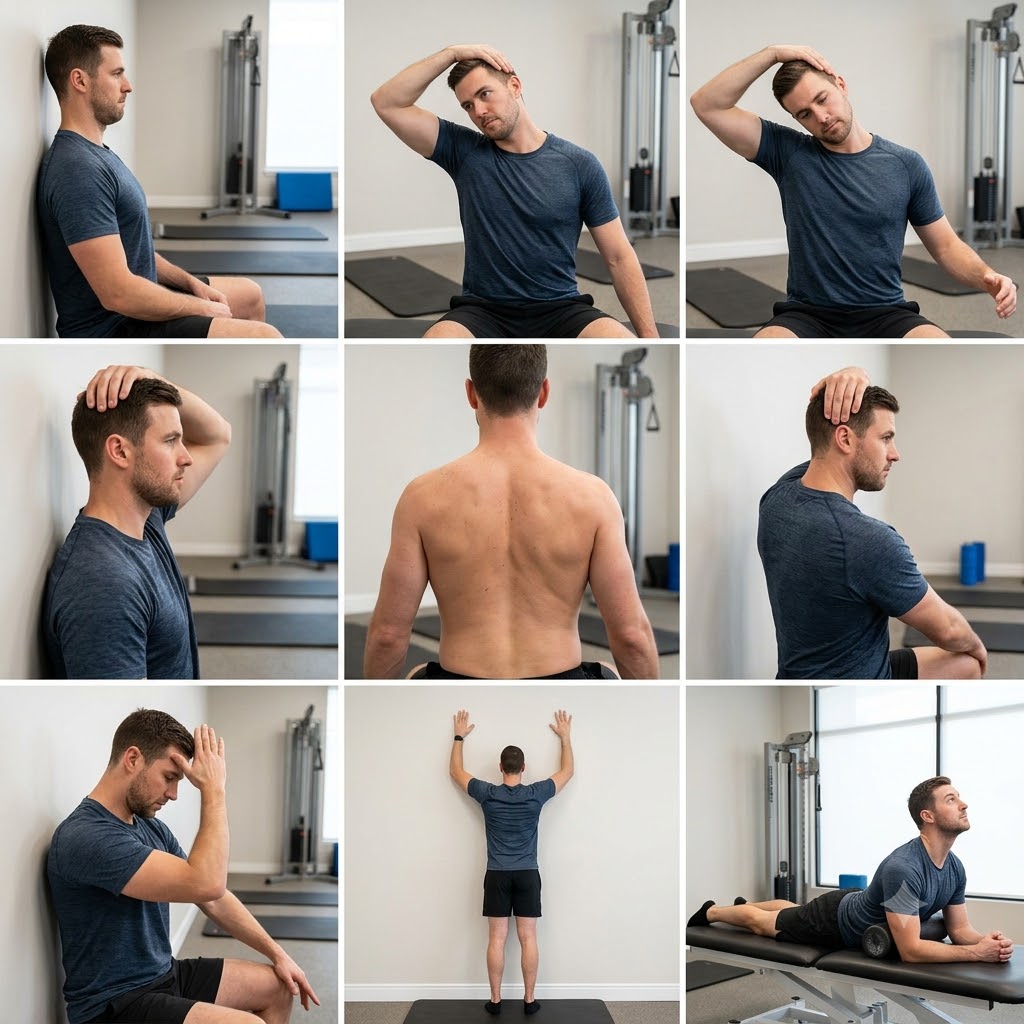
Exercise is one of the most effective treatments for back and neck pain. A physiotherapist selects exercises based on your diagnosis, pain level, flexibility, and muscle strength. Performing exercises correctly is more important than doing many repetitions.

Best Exercises for Back Pain

  • Pelvic Tilts
  • Knee-to-Chest Stretch
  • Cat-Camel Stretch
  • Bird Dog Exercise
  • Bridge Exercise
  • Child’s Pose
  • Cobra Stretch (McKenzie Extension)
  • Hamstring Stretch
  • Core Bracing
  • Walking

Best Exercises for Neck Pain

  • Chin Tucks
  • Neck Rotation Stretch
  • Side Neck Stretch
  • Shoulder Rolls
  • Scapular Retraction
  • Upper Trapezius Stretch
  • Levator Scapula Stretch
  • Isometric Neck Strengthening
  • Wall Angels
  • Thoracic Extension Exercises

Exercise Benefits

  • Reduces pain.
  • Improves flexibility.
  • Restores spinal mobility.
  • Strengthens muscles.
  • Improves posture.
  • Enhances balance.
  • Prevents recurrence.
  • Improves daily function.
  • Reduces stiffness.
  • Promotes long-term spinal health.

What Can I Do If I Have Back & Neck Pain?

If you develop back or neck pain, early action often leads to faster recovery. Avoid ignoring persistent pain, as untreated symptoms may worsen over time. Seeking physiotherapy early can help restore movement, reduce discomfort, and prevent chronic problems.

What You Should Do

  • Consult a qualified physiotherapist.
  • Continue light daily activities.
  • Avoid prolonged bed rest.
  • Maintain proper posture.
  • Use ergonomic workstations.
  • Stretch regularly.
  • Strengthen your core muscles.
  • Lift objects using proper technique.
  • Wear supportive footwear.
  • Sleep in a comfortable position.
  • Stay hydrated.
  • Manage body weight.
  • Reduce stress.
  • Attend all physiotherapy sessions.
  • Perform your home exercise program consistently.

What You Should Avoid

  • Sitting continuously for several hours.
  • Sudden twisting movements.
  • Heavy lifting.
  • Poor posture.
  • Sleeping on overly soft mattresses.
  • Ignoring persistent symptoms.
  • Self-medicating for long periods.
  • Skipping rehabilitation exercises.
  • Returning to sports too early.
  • Carrying heavy bags on one shoulder.

Frequently Asked Questions (FAQs)

1. Can physiotherapy completely cure back and neck pain?

Yes, many patients experience significant improvement or complete recovery through physiotherapy, especially when treatment begins early and exercises are performed consistently. The outcome depends on the underlying cause and severity of the condition.


2. How many physiotherapy sessions will I need?

The number of sessions varies depending on your condition. Mild muscle strain may improve within a few sessions, while chronic or complex spinal conditions may require several weeks of treatment and ongoing exercise.


3. Should I rest completely if my back hurts?

No. In most cases, prolonged bed rest is not recommended. Gentle movement and physiotherapist-guided exercises usually help reduce pain and promote faster recovery.


4. Can poor posture really cause back and neck pain?

Yes. Sitting for long hours with poor posture places extra stress on the spine, muscles, and ligaments, leading to pain, stiffness, and muscle imbalance over time.


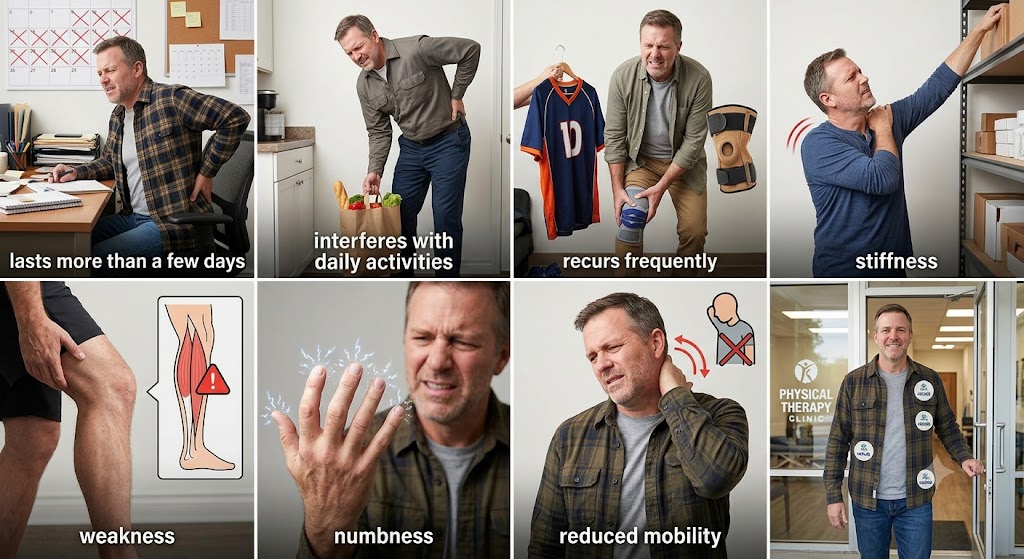
5. When should I see a physiotherapist?

You should seek physiotherapy if your pain lasts more than a few days, interferes with daily activities, recurs frequently, or is associated with stiffness, weakness, numbness, or reduced mobility.

6. Can exercise make my pain worse?

Appropriate exercises prescribed by a physiotherapist are designed to improve your condition. However, performing incorrect exercises or overexerting yourself can aggravate symptoms, so professional guidance is important.


7. Can physiotherapy help avoid surgery?

In many cases, yes. Physiotherapy can reduce pain, improve function, strengthen supporting muscles, and restore mobility, helping many patients avoid or delay surgery. However, some severe conditions may still require surgical evaluation.

Frequently Asked Questions

Yes. After the assessment, your physiotherapist will usually begin treatment if it is clinically appropriate and explain the recommended rehabilitation plan.

In many cases, you can consult a physiotherapist directly. However, a referral or previous medical reports may be helpful for certain conditions.

The number of sessions depends on your diagnosis, the severity of your condition, and your response to treatment. Your physiotherapist will discuss an estimated treatment plan after your assessment.

Some techniques may cause temporary discomfort, especially when treating stiff joints or injured tissues, but treatment is generally safe and kept within your comfort level.

Yes. Continue taking medications prescribed by your doctor unless you are specifically advised otherwise by your healthcare provider.

In most cases, yes. Your physiotherapist will advise you on which activities are safe, which to modify, and which to avoid during your recovery.

Missing sessions may slow your progress. If you cannot attend, reschedule as soon as possible to maintain continuity of care.

At Ezeewell Physiotherapy / Orthopedic and Pain Relief Clinic, every patient receives compassionate, evidence-based care focused on achieving lasting results. We emphasize thorough assessments, personalized treatment plans, hands-on therapy, targeted exercise programs, patient education, and ongoing progress monitoring. Our aim is to relieve pain, restore mobility, improve strength, and help you return to your daily activities safely and confidently.

Ask for Callback

    Conditions We Treat

    Ezeewell Physiotherapy helps you manage various conditions, including